If you’re new to Magic: The Gathering or MTG Arena, building a cheap budget competitive deck can be challenging; especially if you’re looking to spend as little real-world gold as you can!
Magic’s cards myriad can be overwhelming, and Wildcards are a precious resource you can’t always afford to waste on the wrong decks. Placing small bets on crafting and gradually opening cards until you find an expensive deck you’re sure you’ll love is the best way to go, at least while your resources are so limited.
Innistrad: Midnight Hunt, Innistrad: Crimson Vow, Kamigawa: Neon Dynasty, and Streets of New Capenna are now out from Standard. Bloomburrow will be Standard legal from July 30, 2024.
In this guide, you’ll find our exclusive curated list of fantastic budget Standard decks from various archetypes, with a brief explanation of the deck, an upgrade guide, and sample decklists for each. These decks will not have any rare or mythic.
Visit our standard deck page if you’d like to see what some of the finished products look like. You can also go straight to the budget deck section for more inspiration.
Here’s a set of parameters we build our budget Standard decks around, to ensure they’re at their most useful to you:
The base deck will aim to have no rares or mythics. Each deck provides pathways or a link to upgrade to more competitive versions. Upgrades depend on your collection and wildcard availability, so we’ll show different options to cover your specific needs.
Each deck is geared towards best-of-one, and players can now have up to seven cards in their sideboard. For Bo3, check out our budget sideboard guide at the end to help you build a sideboard.
How Do I Decide What to Craft?
This is a great question without a concrete answer, but there’s a suggested order you may upgrade your decks. In totality, you should look to craft the most ubiquitous cards first and then keep going until you’re crafting specific cards to finish your particular deck. With that in mind, we can go even more specific.
We also like to suggest going from recent sets to older ones. This will ensure your craft lasts longer in the format.
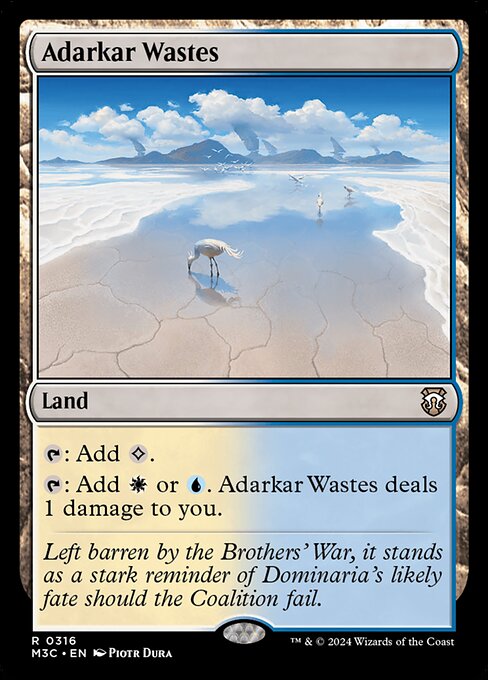
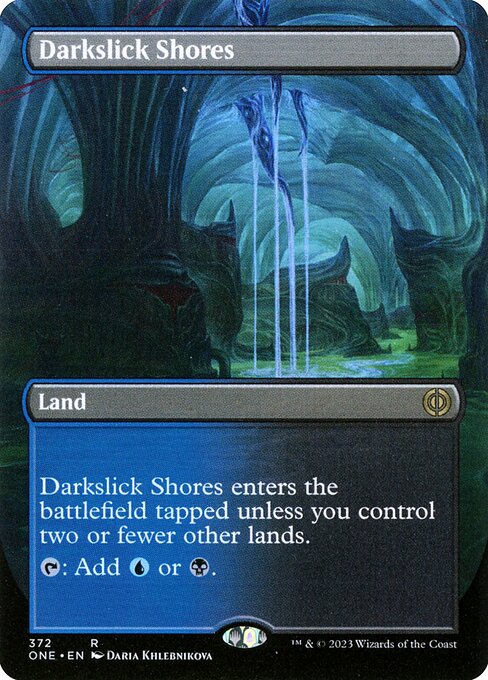
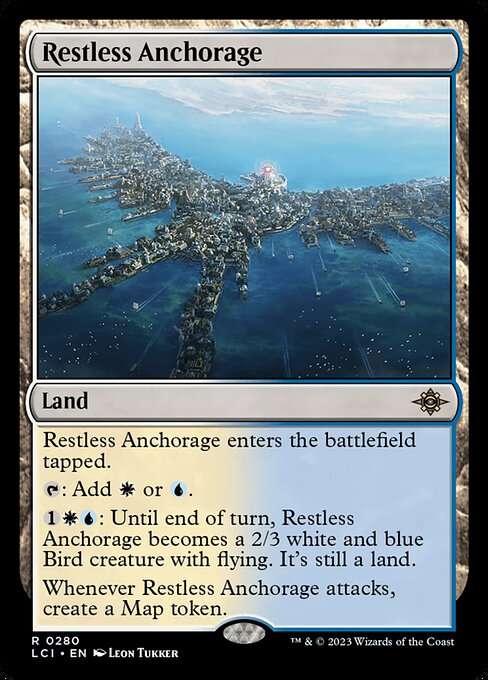
Lands should always be your priority as those are the most ubiquitous cards in Standard.
Utility lands such as Mirrex, Cavern of Souls, or Mishra's Foundry are safe crafts. However, these don’t always go in every deck and you don’t need 4 depending on what deck you’re building, so keep that in mind.
2. Ubiquitous Rares
This is a general category. We will find the rares you see in multiple decklists. Examples of this could include Preacher of Schism as they see play in many Black decks. Furthermore, you want to start with Rares as Mythics will be much harder to stockpile.
3. Ubiquitous Mythics
You generally want to avoid crafting Mythics if you’re upgrading budget decks. However, many see so much play they are very safe crafts. The most popular one that comes to mind is Sheoldred, the Apocalypse as it has no replacement.
4. Specific Rares
These are Rares that may see minimal play or are only played in one to two strategies. They can be good cards, just narrow, such as Knight-Errant of Eos or Slogurk, the Overslime.
5. Specific Mythic Rares
These are Mythics that see small amounts of play. These are the last things you want to craft as these will be hard to use in other strategies with cards like Tinybones, the Pickpocket or Virtue of Strength.
This is the strategy to go by. If you’re unsure where something lies, you can check out lists here to get an idea of what cards see the most play, but I’ll also give you my opinions as well. With that, let’s get into the decks.
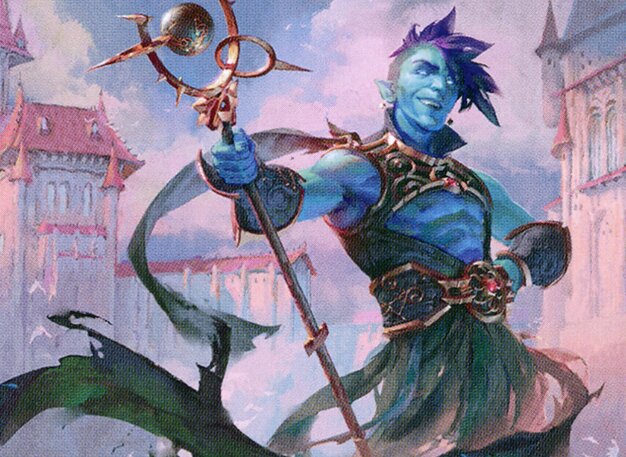
Let’s start with one of my favorite archetypes. I have been a fan of playing aggressive Gruul strategies since my first days as a wizard. Thanks to the release of Slickshot Show-Off, this deck becomes a force reckoned in Standard and Pioneer/Explorer.
This means crafting the rares from this deck will help you have a Standard and an Explorer one.
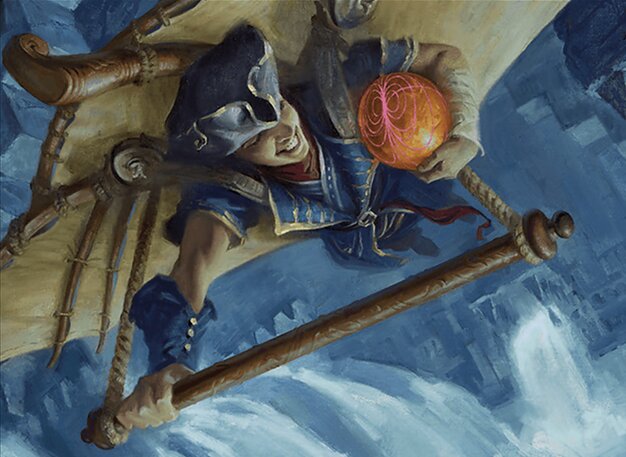
Mono-Blue has always been a good place to start in Standard. Its upgraded version plays a low number of rares and can be highly competitive.
The style is completely different from Gruul Prowess. You want to play one creature when you can protect it. From there, you want to control your opponent’s plays with counterspells and bounce effects.
I think this archetype is underrated. It’s not popular enough, however, many good players have taken this deck to incredible win streaks on Arena or good tournament finishes.
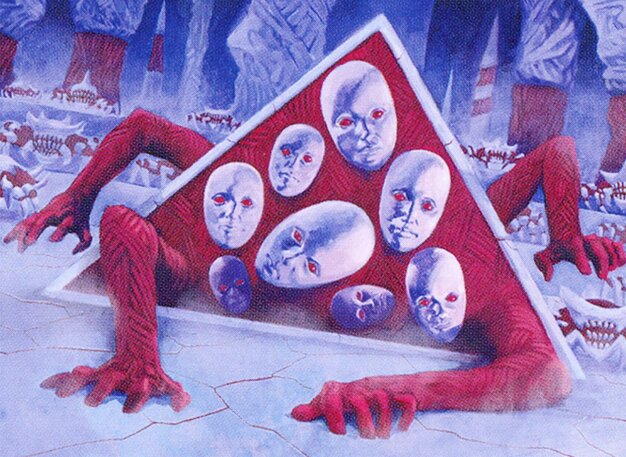
This is an aggressive deck that is looking to win via poison rather than direct damage, and has a lot of good tools to set this up including combat tricks and protection spells to ensure you can connect with your toxic creatures.
I chose this deck because even if it was an archetype designed for destroying 5-Color Domain and that archetype disappeared with rotation, if any other deck tries to emulate what Domain does, Toxic will be ready to crush them.
In the second place, just like my other recommendations, most rare and mythic cards will remain legal in the format after Bloomborrow’s release.
March of the Swirling Mist is no longer Standard legal. However, even if upgrading to Bant is no longer a good option, Selesnya is always there to crush midrange decks. Keep an eye on Innkeepper’s Talent. It’s not on the final list but it is a great choice if the metagame you’re playing has many attrition matches.
Like Gruul Prowess, aiming for Boros Convoke will also give you a new deck to play with on Explorer. In both formats, this archetype is explosive and the true form of aggressiveness going wide. If your opponent doesn’t interfere with your plan before turn 3, they will surely be dead on turn 4.
Even if Voldaren Epicure rotated from the format, You can play 4 Yotian Frontliner and still have eight turn 1 targets for Gleeful Demolition. Also, I’m a Spyglass Siren and Jeskai believer, and I think this could be another good choice. The low number of specific rares makes this deck less expensive.
Before rotation, we had many good cards to attack our opponents’ hands. Now, with Bloomborrow the options multiplies, and playing a Rack archetype is possible.
The budget and upgraded versions will be Mono-Black; however, trying an Orzhov iteration with Guardian of Ghirapur or Salvation Swan for blinking our creatures for extra discards can be interesting.
Also, every Mythic in this archetype has other archetypes where it can be useful; crafting these cards will open some windows for new decks.
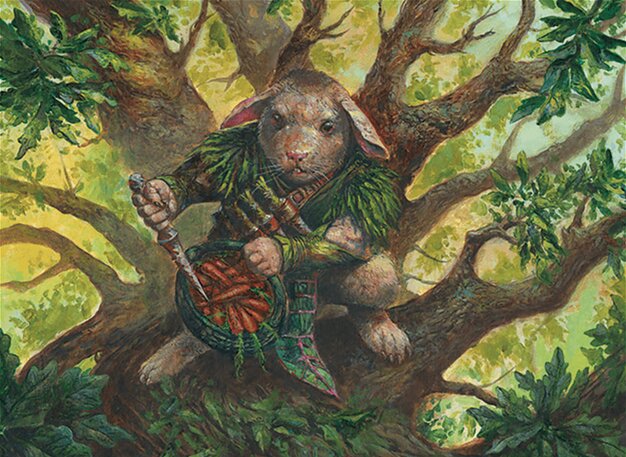
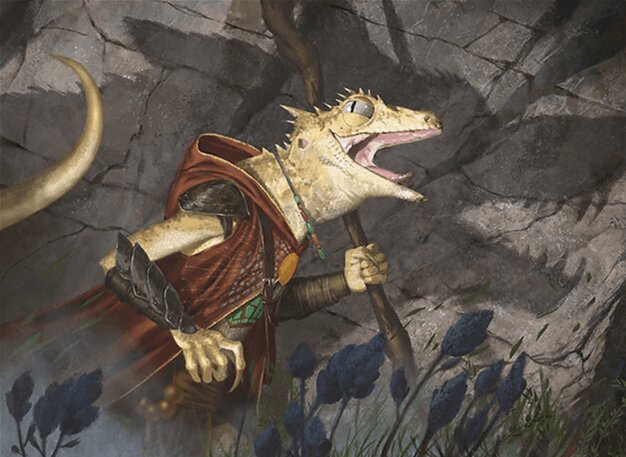
Bloomborrow has a lot to offer. It depends on us to unravel the potential of every critter in Valley and discover if they have what it takes to fight in this format.
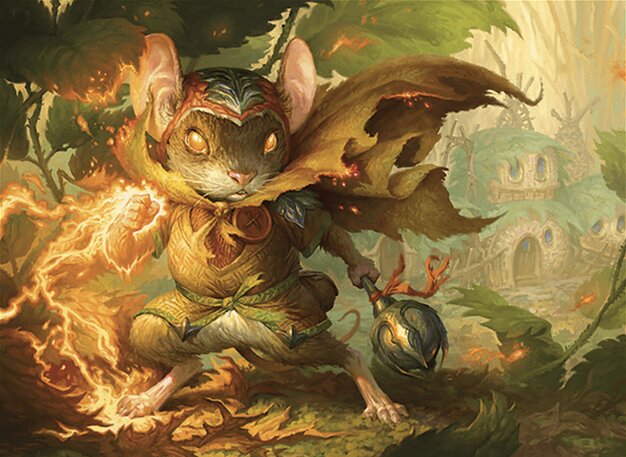
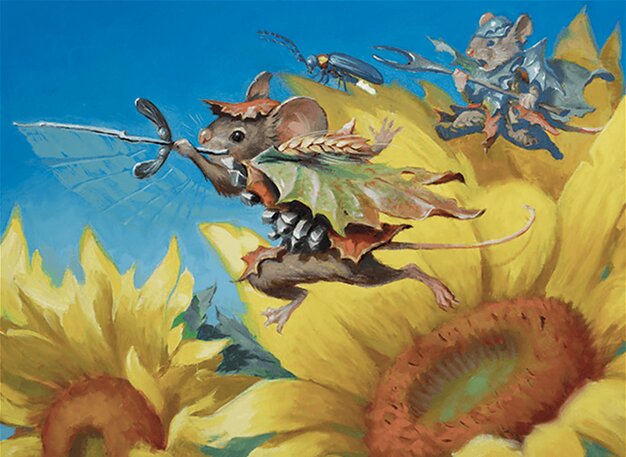
Boros Heroic is sad for Illuminator Virtuoso rotation; however, Boros finally pushes the mice tribe with a similar playstyle as Valiant, a new ability that cares about targeting our creatures.
Just as Heroic, Valiant mice are a great deck on a budget, and when upgraded we are in front of one of the strongest tribes of Bloomborrow.
One of the main advantages of this archetype is how many mice are not only aggressive creatures but also their Valiant engine, triggering abilities that let us target our other mice every turn.
I will surely play this archetype a lot. I hope I can bring you a refined list with a Guide soon.
Standard became a three-year format not long ago. Thanks to this change, crafting rares and mythics for playing the archetype is less painful and you have more time to enjoy your new deck. If you go for archetypes like Gruul Prowess or Boros Heroic, you will also have Explorer decks almost ready for action.
Don’t be afraid of playing Standard with budget decks. Enjoying MTG Arena doesn’t have to be an expensive experience. With these archetypes, you will have tons of fun and even with the budget versions, climbing to high ranks is possible.
Let us know your thoughts on this and any other MTG-related topics in the MTG Arena Community Discord, on my Twitter, and in the comment section of this article. I will gladly answer your questions about what to craft first, other budget options, etc.
Don’t forget that I have started providing personal coaching services for Magic the Gathering and Marvel Snap. If you want to contact me, look for me:
A full time MTG content creator. Started playing Magic in 99’ with the release of Urza’s Destiny, 3 times Grand Prix attendant (1 as a player ending #78 and 2 as a judge). Mexican, lover of coffee, Korean culture, languages and ex-LoL coach.
Follow me on Instagram, Twitch, or Twitter.